Touhou Project
Independent bullet hell series with vast fan-made works.
The Touhou Project is a bullet hell shoot 'em up video game series created by independent Japanese dōjin soft developer Team Shanghai Alice, whose sole member Jun'ya "ZUN" Ōta has independently developed programming, graphics, writing, and music for the series since 1997. The series is set in Gensokyo, a sealed land inhabited by humans and yōkai, and follows miko Reimu Hakurei as she resolves supernatural incidents. It has become a prominent source of Japanese dōjin content, spawning vast fan-made works and gaining a large cult following outside Japan.
- creator
- Jun'ya "ZUN" Ōta
- first_release
- 1997
- field
- Video game series
- nationality
- Japanese
- known_for
- Bullet hell shoot 'em up games, danmaku mechanics, extensive dōjin fan content
Lore & Background
The Touhou Project began in 1997 with Highly Responsive to Prayers, developed by ZUN while he was a mathematics student at Tokyo Denki University under the name "ZUN Soft" and published by Amusement Makers. The first five games were for the PC-98 computer, with the signature danmaku mechanics introduced in the second game, Story of Eastern Wonderland. After a four-year hiatus following Mystic Square, ZUN formed Team Shanghai Alice and shifted the series to Microsoft Windows with Embodiment of Scarlet Devil in 2002, which introduced the Spell Card system and marked a dramatic graphical and audio improvement.
Reader's Guide
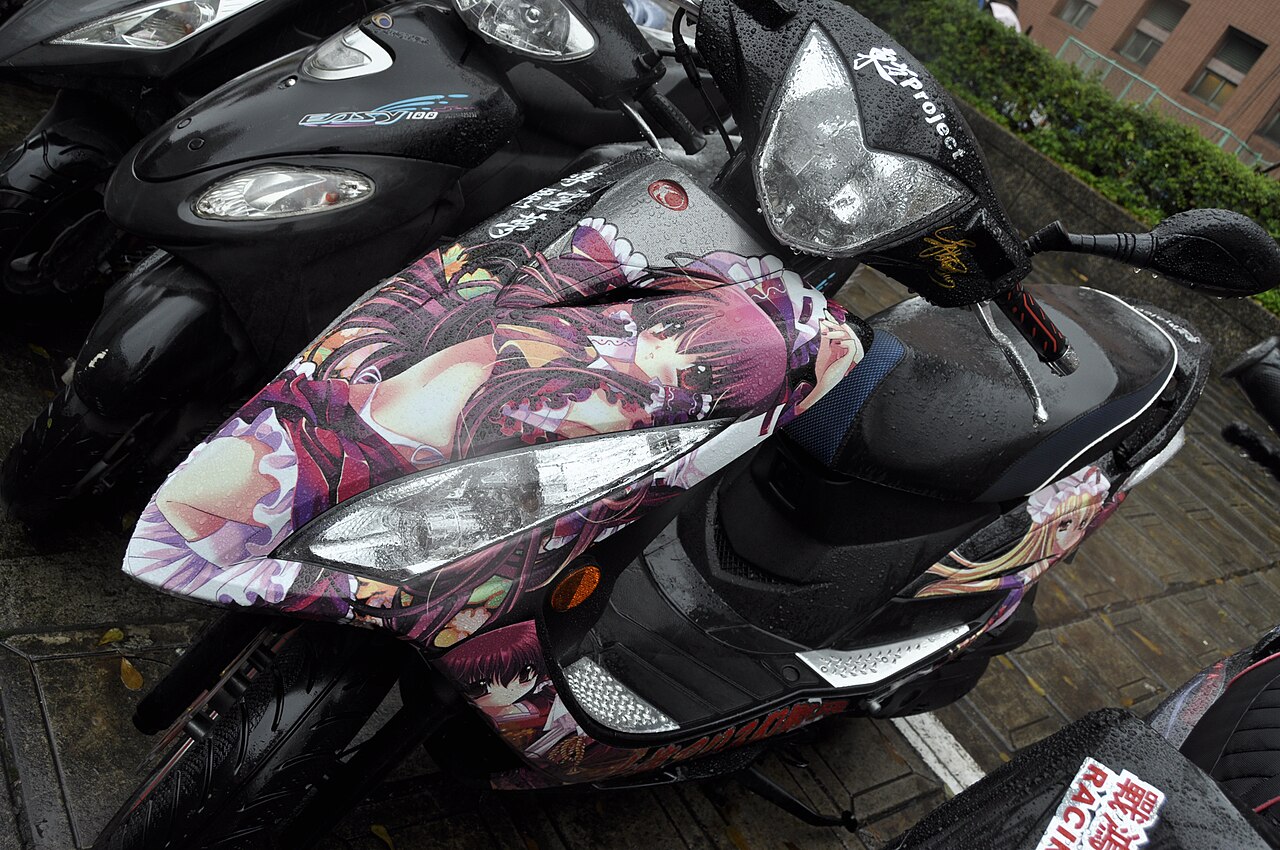
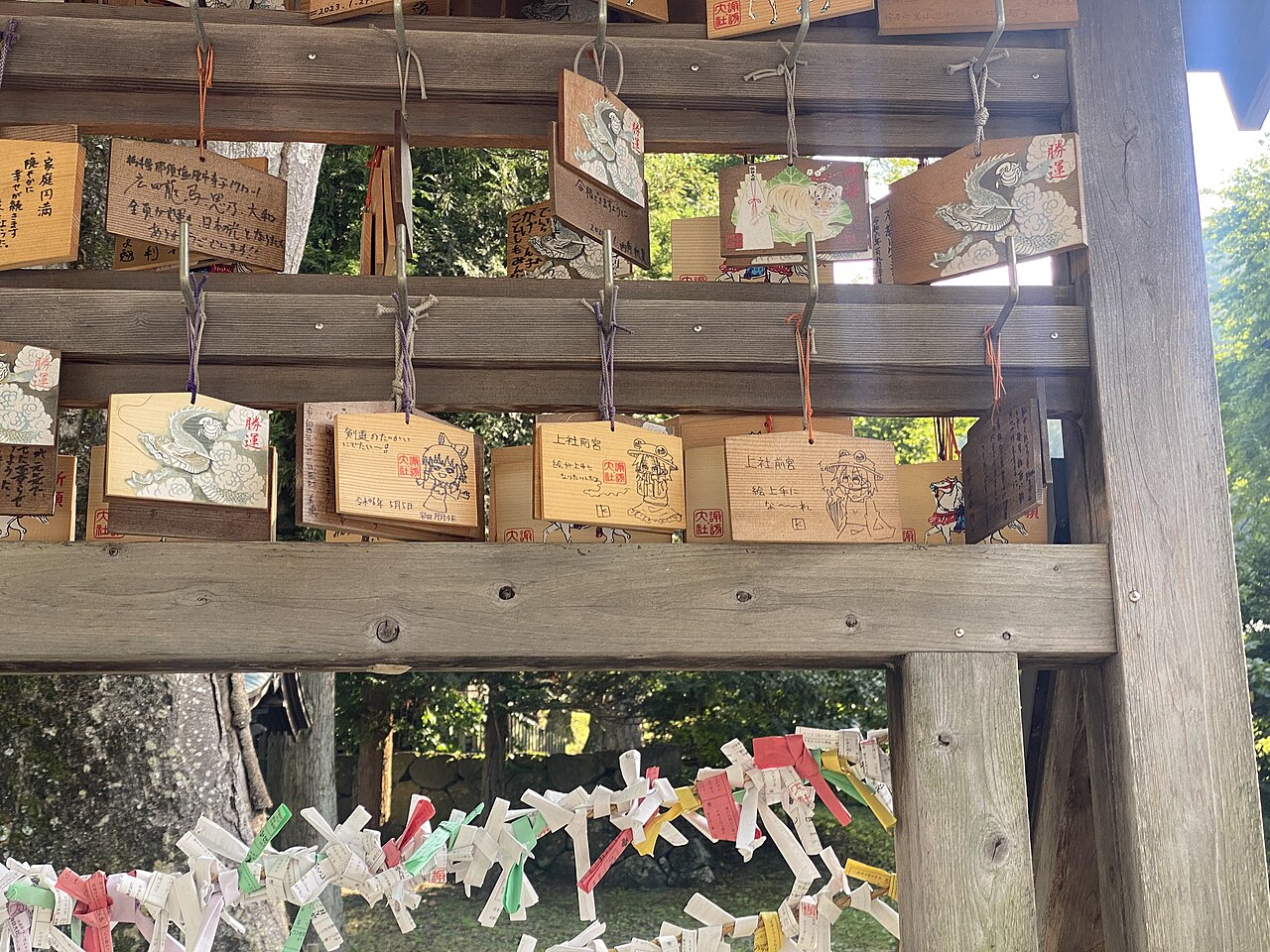
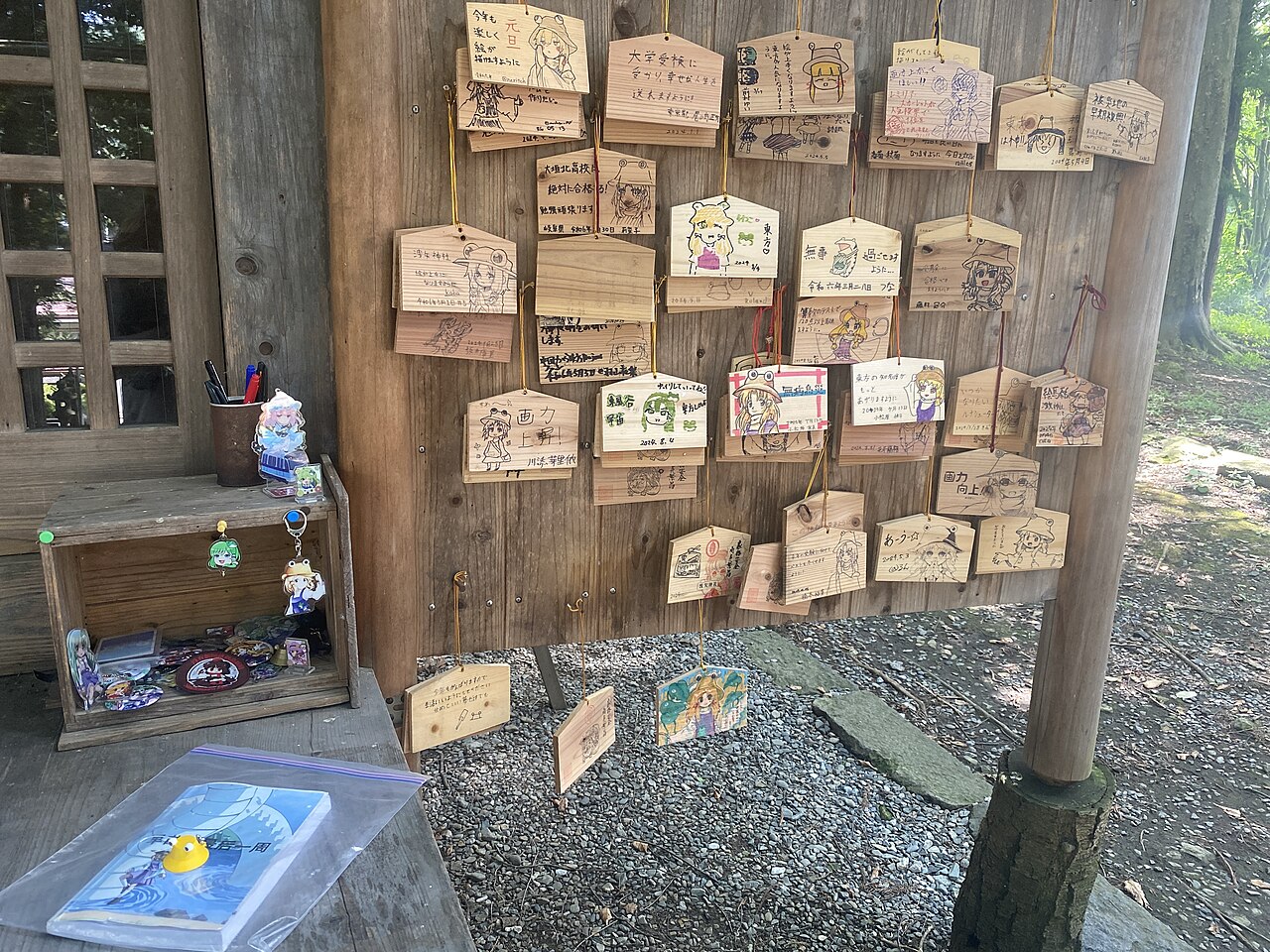
The Touhou Project's significance lies in its role as a cornerstone of Japanese dōjin culture. ZUN's few restrictions on use of his content have allowed a vast ecosystem of fan-made artwork, music, print works, video games, and Internet memes to flourish. The franchise has frequently held the record for circle participation at Comiket, and the official convention Reitaisai distributes trial versions of games. The series' danmaku mechanics, characterized by dense bullet patterns and small hitboxes, have influenced the shoot 'em up genre. Its setting in Gensokyo, with yōkai personified as young girls in moe style, has contributed to its enduring appeal and large cult following outside Japan.
Did You Know?
- The first game, Highly Responsive to Prayers, features gameplay similar to Arkanoid rather than the vertically-scrolling format of later games.
- Only 30 copies of the first game were sold, according to ZUN.
- The series' signature danmaku mechanics were introduced in the second game, Story of Eastern Wonderland.
- ZUN worked at Taito as a game developer between the PC-98 and Windows eras.
The One-Person Studio Behind a Franchise
Born from the desk of a mathematics student at Tokyo Denki University, the Touhou Project began as a solitary creative endeavor. Jun'ya Ōta, working under the name ZUN Soft and later the banner Team Shanghai Alice, personally handled every discipline—programming, pixel art, narrative writing, and original music composition. His debut title, Highly Responsive to Prayers, was conceived in 1995, previewed at a campus fair in late 1996, and sold at Comiket 52 in August 1997 through Amusement Makers, a student game-development club he belonged to. The PC-98 platform's 16-bit color palette and six-channel FM synthesis audio defined the look and sound of those early entries. Only thirty copies of that first game found buyers, and fifty for the follow-up. Yet from those modest beginnings, ZUN went on to publish twenty mainline titles and thirteen spin-offs, all produced without a single co-developer on the core series—a feat that remains extraordinary in the video game industry.
From Card-Flipping to Bullet Curtains: The Mechanical Evolution
The Touhou Project's mechanical identity was forged across its earliest entries. The debut title borrowed its structure from Arkanoid, having players kick a Yin-Yang Orb to flip cards across twenty stages, with boss encounters every fifth stage and a branching choice between a Demon World and a Hell route. The second game, Story of Eastern Wonderland, pivoted decisively toward the vertically scrolling danmaku format—firing bullets at on-screen bosses while dodging their patterns—an approach ZUN credits to the arcade shooter Darius Gaiden. That entry also established conventions that persist to this day: selectable weapons, player hitboxes smaller than the sprite, power-ups, mid-boss encounters, and an unlockable extra stage. The third game added a versus mode built around a Spell Gauge system for charged attacks. In August 2002, Embodiment of Scarlet Devil migrated the series from the aging PC-98 to Microsoft Windows, opening the door to a far broader audience and a new era of sequels and spin-offs, including six fighting games co-developed with Twilight Frontier.
Gensokyo: A Sealed World of Shrine Maidens and Yōkai
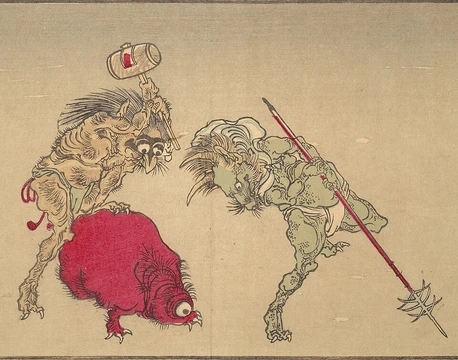
Every Touhou game unfolds within Gensokyo, a sealed, preternatural realm cut off from the modern world and populated by ordinary humans alongside yōkai—legendary creatures drawn from Japanese folklore. A defining aesthetic choice of the series is that every one of these supernatural beings is rendered as a young girl or woman in an anthropomorphic moe style, transforming ancient spirits and monsters into colorful, expressive characters. At the center of this world stands Reimu Hakurei, the shrine maiden of the Hakurei Shrine, whose recurring duty is to investigate and resolve supernatural incidents that disrupt the balance of Gensokyo. Her story begins in the first game, where the destruction of her shrine sends her through a gateway to find those responsible. Marisa Kirisame, who first appears as a stage boss in the second title, becomes the second major playable character and a constant companion in the series' adventures. Together they anchor a narrative framework built around curiosity, conflict, and the whimsical logic of a world where the impossible is simply Tuesday.
A Permissive Creator and a Boundless Fan Ecosystem
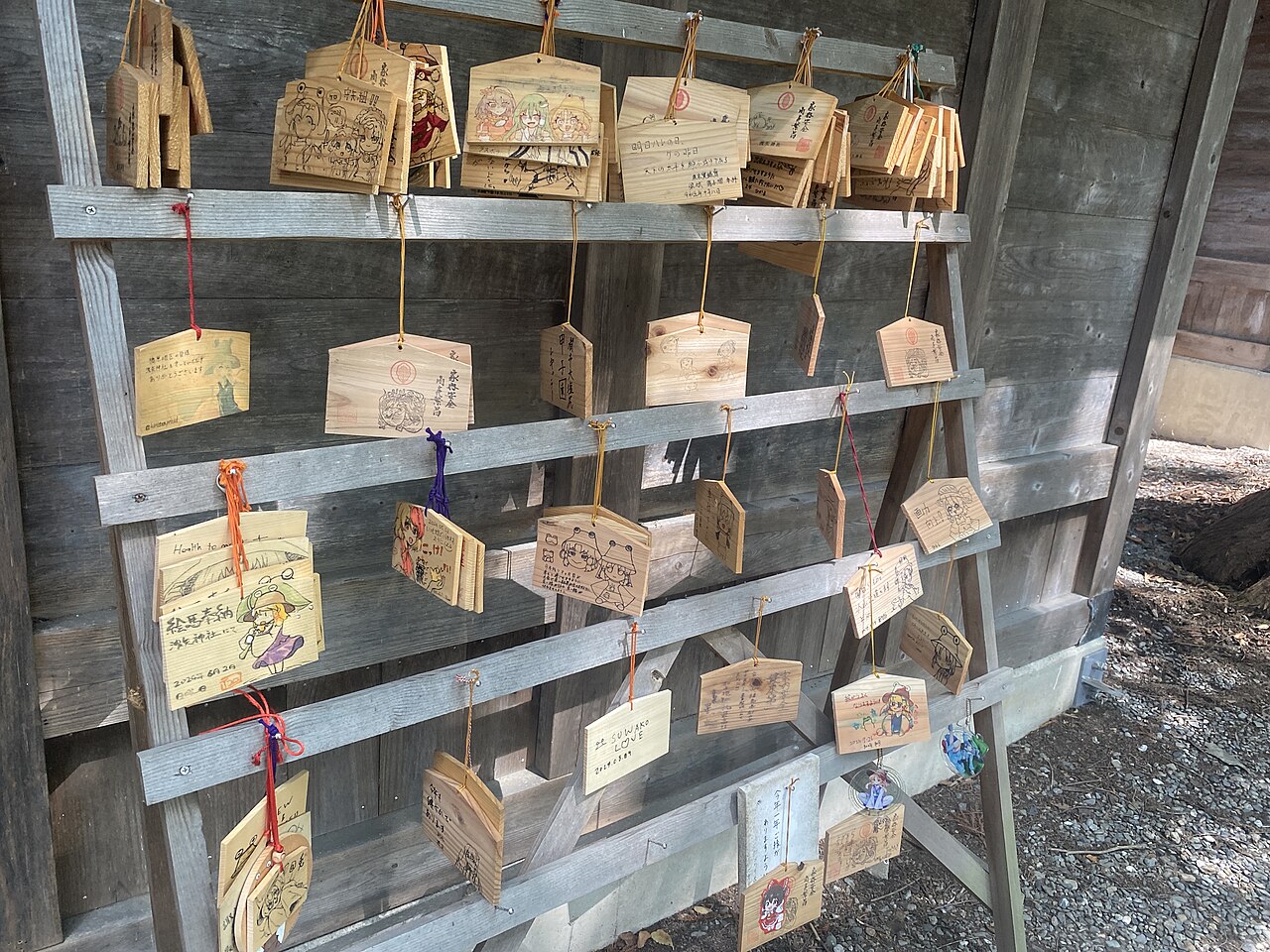
Few independent game series have generated as much organic creative output as Touhou. ZUN's deliberately permissive stance on how fans may use his characters, music, and settings has allowed an enormous ecosystem of derivative works to flourish—fan art, original music albums, printed stories, video games, and a steady stream of Internet memes. This openness has propelled the franchise well beyond Japan, cultivating a devoted cult following across the globe. The series is a perennial fixture at major dōjin conventions: at Comiket, Touhou-related circles have repeatedly held the record for the highest number of participating groups, and at the franchise-specific Reitaisai, trial builds of upcoming official titles are typically handed out before their public release. ZUN himself continues to produce related print works and music albums alongside the games, and has partnered with fellow dōjin developer Twilight Frontier on seven official spin-offs, six of which are fighting games. The result is a cultural phenomenon where the boundary between creator and community remains remarkably porous.
Gallery


More in Yōkai in popular culture 1-19
Spotted an error? Know more?
This is a living reference — every entry is fact-audited, and reader corrections feed straight into our audit queue. Suggest an edit · See this site's audit record